

Como escolher entre andadores de aço e de alumínio?Na realidade, nenhum dos dois tipos é inerentemente superior; a escolha depende das necessidades específicas do usuário.Se o usuário for mais pesado, precisar de uma capacidade de peso maior, tiver um orçamento limitado e usar o andador principalmente em ambientes internos ou em um local fixo, um andador de aço geralmente é a escolha ideal. Sua estabilidade e estrutura robusta proporcionam maior sensação de segurança.
Se um usuário viaja com frequência, precisa dobrar e transportar o andador constantemente e prioriza portabilidade e resistência à corrosão, então umandador de alumínioOferece vantagens distintas. Um design leve melhora significativamente a experiência do usuário, especialmente para idosos que viajam com frequência.As tendências atuais do mercado mostram que os dispositivos de auxílio à mobilidade de alta qualidade em países desenvolvidos do Ocidente estão cada vez mais migrando para modelos de alumínio. No entanto, instalações médicas e de assistência ainda utilizam amplamente modelos de aço, pois sua durabilidade e capacidade de carga atendem melhor às demandas de uso intenso.Perguntas frequentes
FAQ 1: Qual é mais durável: o aço ou o alumínio para auxílios de mobilidade?Em termos de resistência estrutural, os modelos em aço são geralmente mais robustos e duráveis, sendo ideais para uso frequente. No entanto, os modelos em alumínio oferecem resistência superior à corrosão, garantindo uma longa vida útil mesmo em ambientes úmidos.FAQ 2: Os dispositivos de auxílio à mobilidade de aço ou de alumínio são mais adequados para idosos?
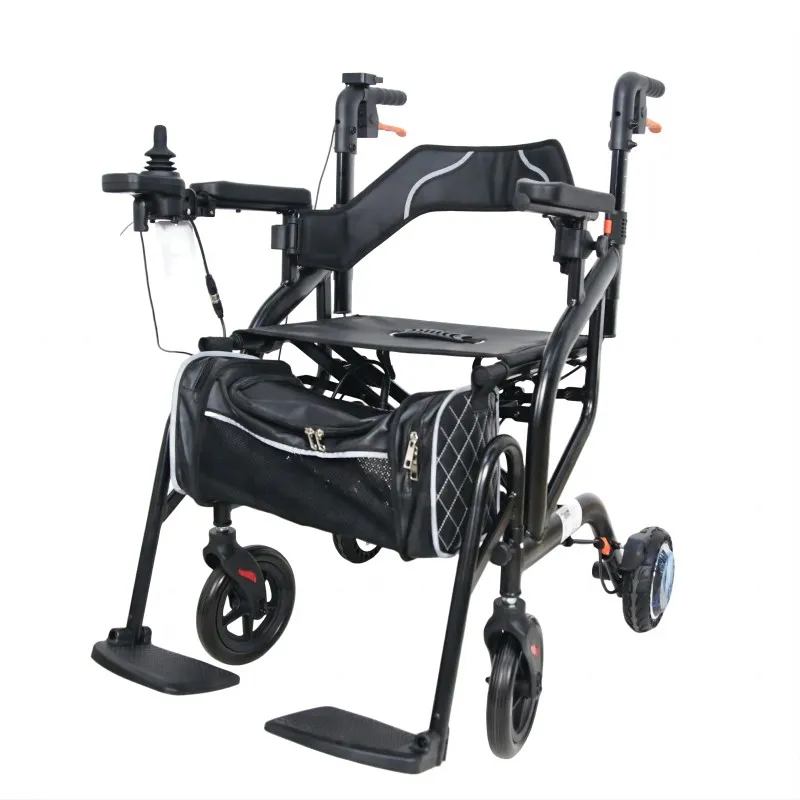
Os modelos de alumínio costumam ser melhores se o idoso precisar levantar ou dobrar o dispositivo com frequência. Se a estabilidade e o uso em um ambiente fixo forem prioridades, os modelos de aço podem ser a melhor escolha.FAQ 3: Os dispositivos de auxílio à mobilidade em aço enferrujam com facilidade?Os modelos de aço de alta qualidade geralmente apresentam um acabamento revestido a pó, o que os torna resistentes à ferrugem em condições normais de uso. No entanto, a manutenção ainda é necessária se forem expostos a alta umidade por períodos prolongados.
FAQ 4: A capacidade de carga dos dispositivos de mobilidade de alumínio é suficiente?A maioria dos modelos de alumínio suporta entre 100 kg e 136 kg, atendendo às necessidades da grande maioria dos usuários. Para usuários que excedam essa faixa de peso, recomenda-se um modelo de aço reforçado.FAQ 5: Por que tantos dispositivos de auxílio à mobilidade de alta qualidade utilizam liga de alumínio?
Os principais motivos são que os modelos de alumínio são mais leves e mais resistentes à corrosão; além disso, estão alinhados com as tendências modernas que privilegiam equipamentos de mobilidade leves e portáteis.FAQ 6: Qual oferece melhor custo-benefício: dispositivos de mobilidade de aço ou de alumínio?Se o orçamento for limitado e o foco for estabilidade e capacidade de carga, os modelos de aço geralmente oferecem melhor custo-benefício. Se a portabilidade e a experiência do usuário a longo prazo forem as prioridades, os modelos de alumínio costumam proporcionar um valor geral superior.walkers. Although they often look very similar, the inherent differences in their materials lead to distinct performance characteristics during actual use.
Why is the Rollator's Material So Important?
When purchasing a mobility aid (such as a rollator), many consumers focus on features like tire size, seat comfort, or folding capabilities, often overlooking the importance of the frame material. In reality, the frame is the core structure of the device; its material directly determines the product's weight, load-bearing capacity, stability, durability, and the overall user experience over time.
For instance, if an 80-year-old user needs to lift the mobility aid into a car trunk daily, the product's weight becomes a crucial factor; conversely, for heavier users, load-bearing capacity and structural stability are paramount. Therefore, when choosing between steel and aluminum models, one cannot simply declare one "better" than the other; the decision should be based on specific usage needs.
Material Differences: Steel vs. Aluminum Mobility Aids
From a materials science perspective, steel and aluminum alloys are distinct types of metal with significant differences in physical properties.
Steel is primarily composed of iron and carbon and possesses high strength and rigidity, making it one of the most common structural materials in industrial manufacturing. Steel mobility aids are typically constructed from welded carbon steel tubing, with surface coatings applied to enhance corrosion resistance.
Aluminum mobility aids are generally manufactured using aerospace-grade or medical-grade aluminum alloys. Aluminum alloys are lightweight, highly corrosion-resistant, and easy to fabricate, which is why they have captured an increasing share of the high-end mobility aid market in recent years.
In terms of density, standard steel has a density of approximately 7.85 g/cm³, whereas aluminum alloy is around 2.7 g/cm³—roughly one-third that of steel. This is a key reason why aluminum mobility aids are generally lighter than their steel counterparts.
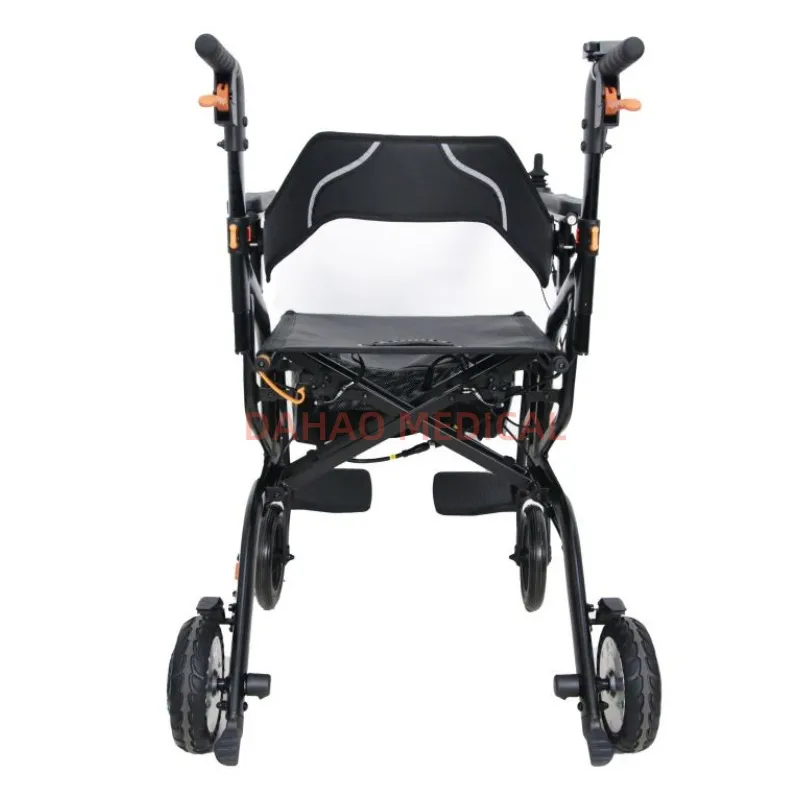
What Are the Advantages of Steel Mobility Aids?
1. Superior Load-Bearing Capacity
One of the most notable advantages of steel mobility aids is their exceptional load-bearing capacity. Because steel possesses high yield strength and tensile strength, a steel mobility aid can typically support a heavier load than a model with the same structural design made from other materials.
Currently, the load-bearing capacity of common steel mobility aids on the market ranges from 136 kg to 200 kg, with some heavy-duty models capable of supporting over 250 kg. Therefore, steel rollators often offer distinct advantages for heavier users or in caregiving scenarios requiring greater structural stability.
For instance, in US and European markets, many bariatric rollator walkers—specifically designed for obese patients—feature steel frames precisely because steel provides superior load-bearing capacity and a higher safety margin.
2. Superior stability
Due to the material's weight, steel rollator walkers generally have a more stable center of gravity. When used outdoors—especially on slopes, uneven terrain, or in windy conditions—they are less prone to wobbling or tipping over.
For elderly users with poor balance, stability is often more important than low weight. Many rehabilitation specialists also believe that for patients just starting to use a rollator walker, the added weight of the device can actually enhance their sense of security and confidence while walking.
3. Lower cost
Raw steel is generally less expensive than aerospace-grade aluminum alloy, resulting in lower overall manufacturing costs for steel rollators. Market data indicates that, given comparable specifications, steel rollators are typically 10% to 30% cheaper than their aluminum counterparts.
For budget-conscious consumers, steel rollators offer excellent value for money.
What are the downsides of steel rollator walkers?
While steel rollators offer robust load-bearing capacity and stability, their primary drawback is equally obvious: their weight.
A standard steel rollator typically weighs between 8 and 12 kilograms, with some heavy-duty models exceeding 15 kilograms. For many frail elderly individuals or female users, lifting or loading the device into a vehicle can be challenging.
Furthermore, although the steel is treated with anti-rust coatings, there remains a risk of corrosion if the unit is exposed to humid environments for extended periods. If used near the coast or frequently exposed to rain, steel rollator walkers may require more frequent maintenance.
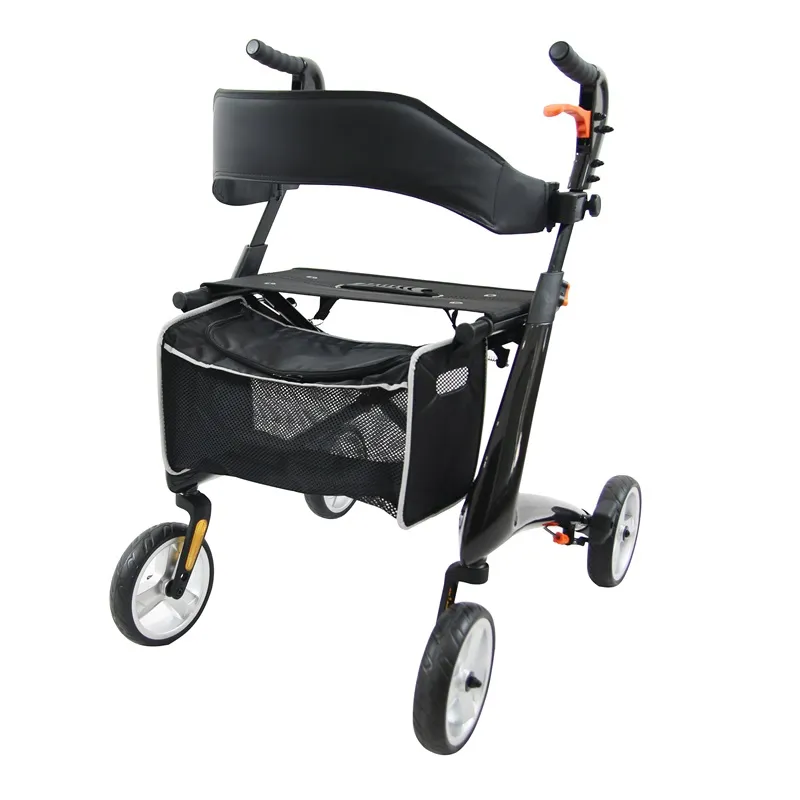
What are the advantages of aluminum rollators?
1. Lighter weight
The primary advantage of aluminum rollator walkers is their lightweight design. Because the density of aluminum alloy is far lower than that of steel, most aluminum rollator walkers weigh only about 6 to 9 kilograms. Some high-end, lightweight aluminum walkers weigh as little as around 5 kilograms. This makes folding, transporting, and storing them much easier for the user.
For users who frequently travel by car, plane, or public transport, aluminum walkers are clearly more convenient.
2. Excellent corrosion resistance
Aluminum alloy naturally forms a protective oxide layer on its surface, giving it strong corrosion resistance. It is unlikely to rust, even when exposed to humid air for extended periods.
Consequently, aluminum walkers tend to be more durable in coastal areas, regions with high humidity, or scenarios involving frequent outdoor use.
3. Better suited for modern lightweight designs
A key trend in the walker industry in recent years has been the move toward lightweight and portable designs. Many high-end folding walkers, travel walkers, and models designed for air travel feature aluminum alloy frames.
Aluminum walkers have increasingly become the preferred choice for seniors who travel frequently.
What are the downsides of aluminum walkers?
Although aluminum walkers are lightweight and durable, their weight capacity is generally slightly lower than that of steel walkers.
Most aluminum walkers on the market support between 100 kg and 136 kg; while this meets the needs of most users, steel walkers may offer greater safety and reliability for heavier individuals.
Additionally, the cost of aluminum alloy materials and manufacturing processes is higher, resulting in a higher price point compared to steel walkers. For products with similar specifications, aluminum walkers often cost several hundred yuan more.
How do you choose between steel and aluminum walkers?
In reality, neither type is inherently superior; the choice depends on the user's specific needs.
If a user is heavier, requires a higher weight capacity, has a limited budget, and primarily uses the walker indoors or in a fixed location, a steel walker is usually the ideal choice. Its stability and robust structure provide a greater sense of security.
If a user travels frequently, needs to fold and transport the walker often, and prioritizes portability and corrosion resistance, then an aluminum walker offers distinct advantages. A lightweight design significantly enhances the user experience, especially for seniors who travel frequently.
Current market trends show that high-end mobility aids in developed Western nations are increasingly shifting toward aluminum models. However, medical and care facilities still widely use steel models, as their durability and load-bearing capacity better meet the demands of heavy-duty use.
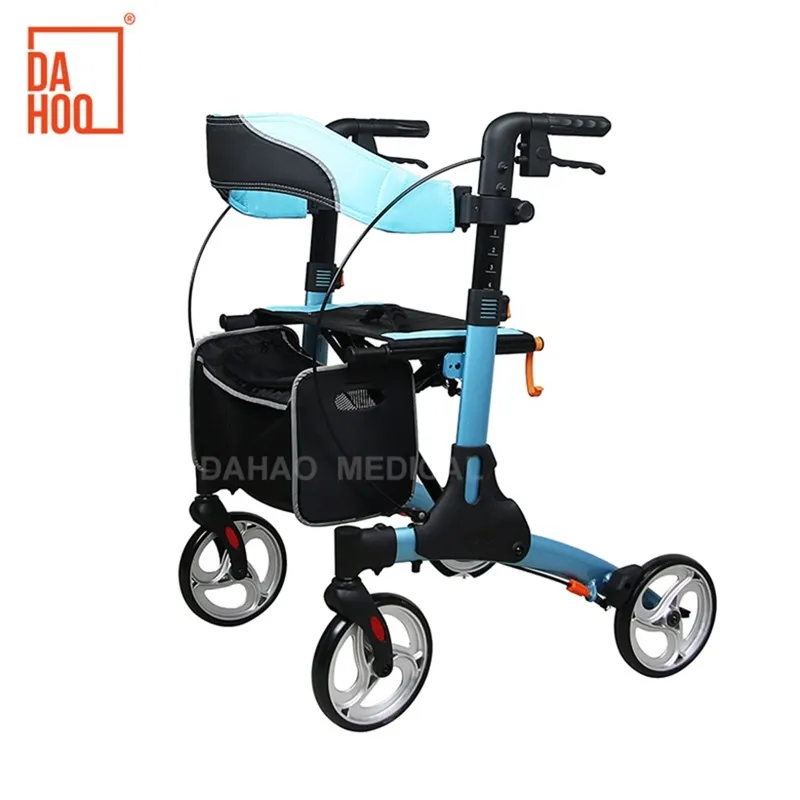
FAQ
FAQ 1: Which is more durable—steel or aluminum mobility aids?
In terms of structural strength, steel models are generally sturdier and more durable, making them ideal for high-frequency use. However, aluminum models offer superior corrosion resistance, ensuring a long lifespan even in humid environments.
FAQ 2: Are steel or aluminum mobility aids better suited for seniors?
Aluminum models are usually better if the senior needs to frequently lift or fold the device. If stability and use in a fixed environment are the priorities, steel models may be the better choice.
FAQ 3: Do steel mobility aids rust easily?
High-quality steel models typically feature a powder-coated finish, making them resistant to rust under normal use. However, maintenance is still required if they are exposed to high humidity for extended periods.
FAQ 4: Is the load-bearing capacity of aluminum mobility aids sufficient?
Most aluminum models support between 100 kg and 136 kg, meeting the needs of the vast majority of users. For users exceeding this weight range, a heavy-duty steel model is recommended.
FAQ 5: Why do so many high-end mobility aids use aluminum alloy?
The main reasons are that aluminum models are lighter and more corrosion-resistant; they also align with modern trends favoring lightweight and portable mobility equipment.
FAQ 6: Which offers better value for money—steel or aluminum mobility aids?
If the budget is limited and the focus is on stability and load-bearing capacity, steel models usually offer better value. If portability and the long-term user experience are the priorities, aluminum models often provide greater overall value.